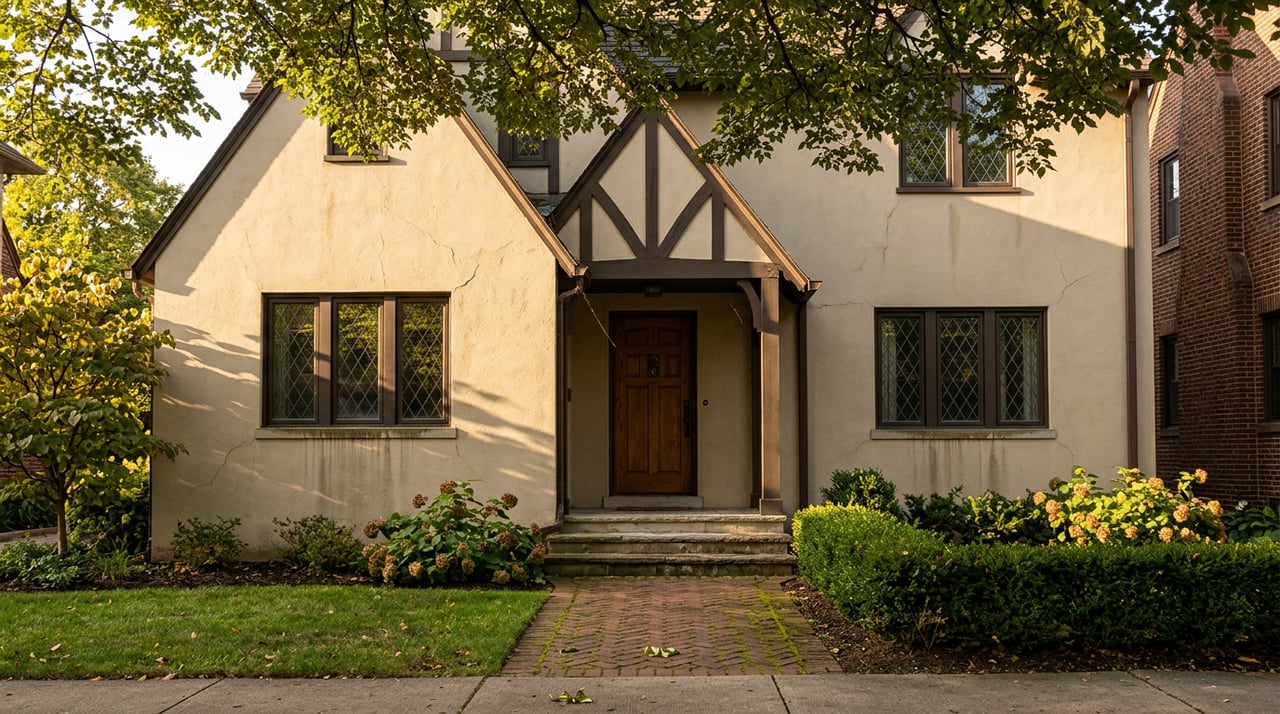
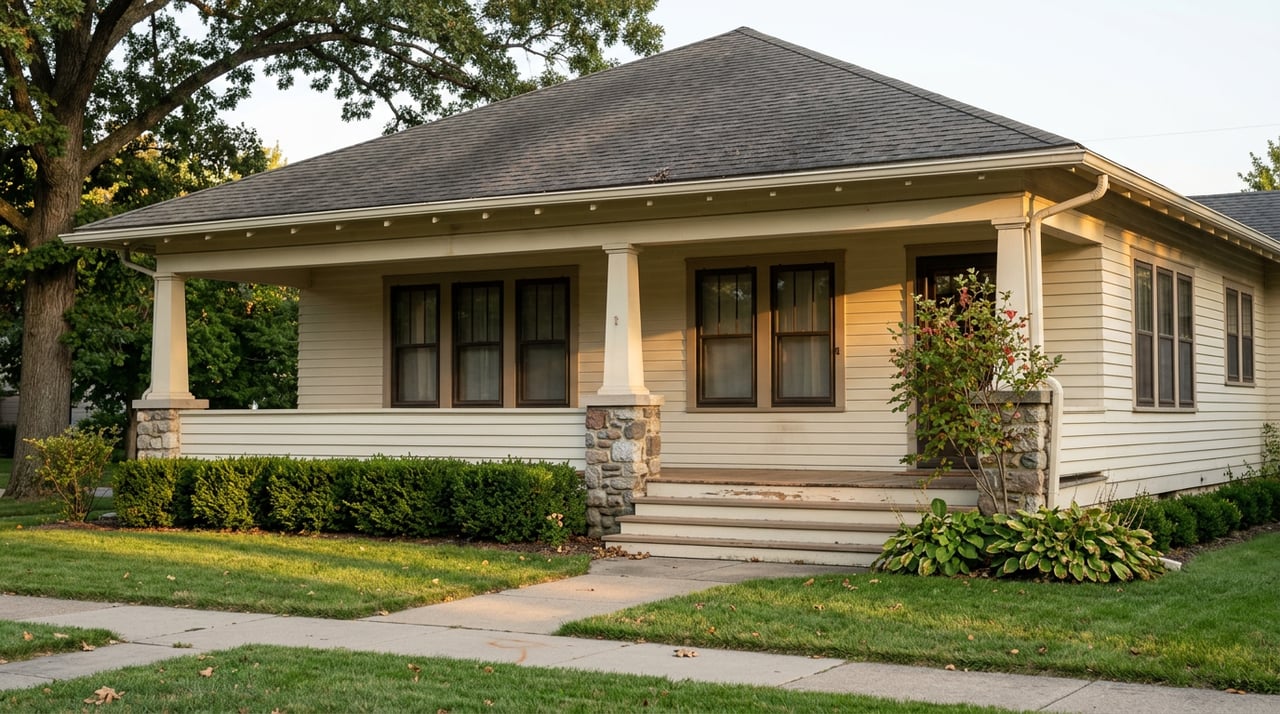
In Minneapolis this spring, the strongest offer isn't always the highest price — it's the one that gives the seller the most certainty. That means a clean financing letter, a meaningful earnest money deposit, an inspection approach that protects you without scaring the seller, and — when needed — appraisal gap coverage with a clear cap. Linden Hills, Lake Harriet, Kenwood, and Lake of the Isles are still drawing multiple offers even as the broader Twin Cities market has shifted to neutral, so the rules for the home you actually want look different from the headline numbers.
The Minneapolis market is in a strange place this spring. Active listings are up roughly 18% year over year. Days on market are creeping into the 45-to-52-day range. Almost a fifth of all active listings have already taken a price reduction. By every measure, this looks like a more balanced market.
And yet — the home you actually want still has three other offers on it.
That contradiction is the story of Minneapolis real estate in May 2026. The city as a whole has loosened up. But certain neighborhoods, certain price points, and certain property types are still as competitive as they were two years ago. Linden Hills is scoring 76 out of 100 on competitiveness. Pending sales in the Twin Cities are at the highest level since July 2022. Multiple-offer situations are running at the highest pace since May 2023.
If you're writing an offer this week in Lake Harriet, Kenwood, Cedar-Isles-Dean, or anywhere along the chain of lakes, here's what's actually working — and what's quietly dating itself.
The terms that win Minneapolis offer this spring
Sellers — and the agents representing them — are looking at the same thing they've always looked at: certainty. They want to believe your offer will close on time, at the agreed price, with as few surprises as possible. Price matters, but it isn't the only lever, and in a market where roughly a fifth of listings are taking reductions, sellers are quietly more cautious about chasing the highest number on paper.
Here's where you actually win.
Earnest money that signals seriousness. The Minnesota tradition is 1% of purchase price. In a competitive offer this spring, 2% is the floor and 3% is increasingly common at the higher Linden Hills, Lake of the Isles, and Lake Harriet price points. On a $900,000 Linden Hills bungalow, the difference between $9,000 and $27,000 in earnest money is the difference between a seller saying "interesting" and "this buyer is locked in." The deposit goes toward your down payment at closing — it's not extra money, it's just earlier money.
A pre-approval letter that holds up. Sellers and listing agents read pre-approval letters carefully now. A standard online pre-qualification gets discounted. A fully underwritten approval — sometimes called a "verified" or "fully credit-approved" letter — reads almost like cash. If your lender can produce one, get it before you write the offer.
An inspection approach that's narrow, not absent. This is where most buyers either overcorrect or under-protect themselves. Waiving the inspection entirely in Minnesota is a real risk. The middle path — and the one I see win consistently right now — is a focused inspection contingency. You commit to a short window (often 5 to 7 days), pre-schedule the inspector, and limit what triggers a renegotiation: usually major systems, structural issues, safety hazards, and active water problems.
Appraisal gap coverage — with a cap and proof of funds. When you're offering above asking on a desirable Linden Hills or Kenwood property, the appraisal can come in low. The cleanest way to address it is a written appraisal gap clause: you commit to bring up to a specific dollar amount of additional cash if the home appraises under the contract price. Cap it. Don't leave it open-ended.
A close date that fits the seller's life. This one's free, and it wins more offers than people realize. If the seller mentions they're trying to time this with a job start, a school year, or another transaction, build that into your offer.
Where buyers are quietly overpaying
The other side of this market is just as real. Roughly 19% of Minneapolis listings have already cut their price this spring. Don't be that buyer.
Anchor your offer to recent comparable sales — not to the list price. Use escalation clauses with care. Know your walk-away number before you write.
The Minnesota-specific pieces
You'll need a signed buyer broker agreement before you tour the home you eventually write on. The earnest money usually goes to the listing brokerage's trust account or to the title company. Minnesota uses two parallel title systems — Abstract and Torrens.
The honest truth about this market
Most of what gets published right now is some version of "the market has shifted, so buyers have leverage." That's true on average. It is not true in every Minneapolis micro-market, and it's especially not true at the price points and neighborhoods where the chain-of-lakes inventory sits.
The way you win it is not by panicking. It's by writing an offer that gives a thoughtful seller a reason to pick you — clean terms, certainty of close, an inspection approach that's protective but not punitive, and a price grounded in real comp data instead of fear.
Every offer is its own situation. If you're putting an offer together this week and want a second set of eyes on it before you sign, reach out — I'm happy to walk through it with you.
Frequently Asked Questions
How much earnest money should I put down on a Minneapolis offer?
Minnesota tradition is 1% of purchase price, but in competitive Minneapolis neighborhoods this spring, 2% is the new floor and 3% is common on Linden Hills, Lake Harriet, Kenwood, and Lake of the Isles offers. Earnest money goes toward your down payment at closing, so a higher deposit isn't extra cost — it's just a stronger commitment signal to the seller.
Should I waive the inspection contingency to win an offer in Minneapolis?
In most cases, no. A better strategy is a focused inspection contingency: a short window (5 to 7 days), pre-scheduled inspector, and clearly-defined trigger events (major systems, structural, safety, active water).
What is appraisal gap coverage and do I need it in Minneapolis?
Appraisal gap coverage is a written commitment in your offer to bring additional cash to closing if the home appraises below the contract price. You set a cap and back it up with proof of funds. It's most useful when you're offering above asking on a high-demand property.
What's actually different about the Minneapolis market in spring 2026?
Active listings are up about 18% year over year, days on market are running 45 to 52 days, and roughly 19% of active listings have taken a price reduction. At the same time, multiple-offer situations are running at the highest pace since May 2023.
Do I have to sign a buyer broker agreement before I can write an offer?
Yes — under post-NAR settlement rules effective since 2024, a written buyer broker agreement is required before you tour homes in person.
If you're thinking about writing an offer and want help putting together the strongest possible package, reach out anytime through brandynrealestate.com.