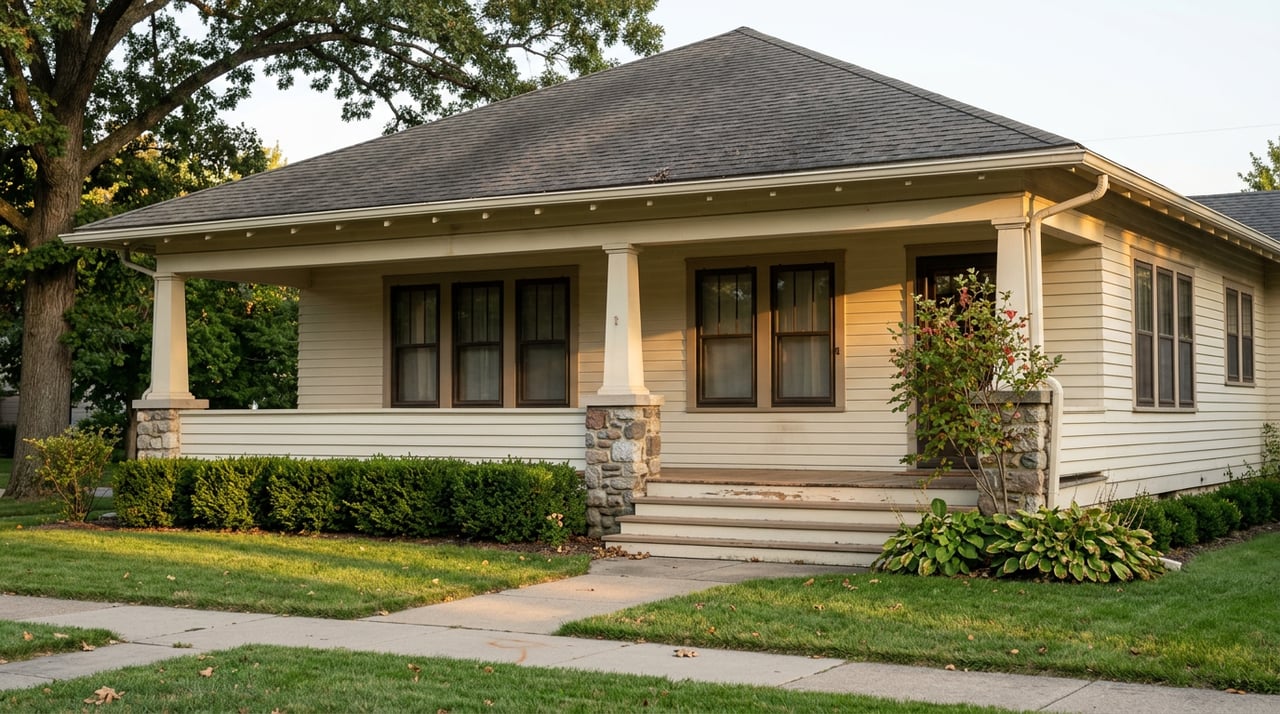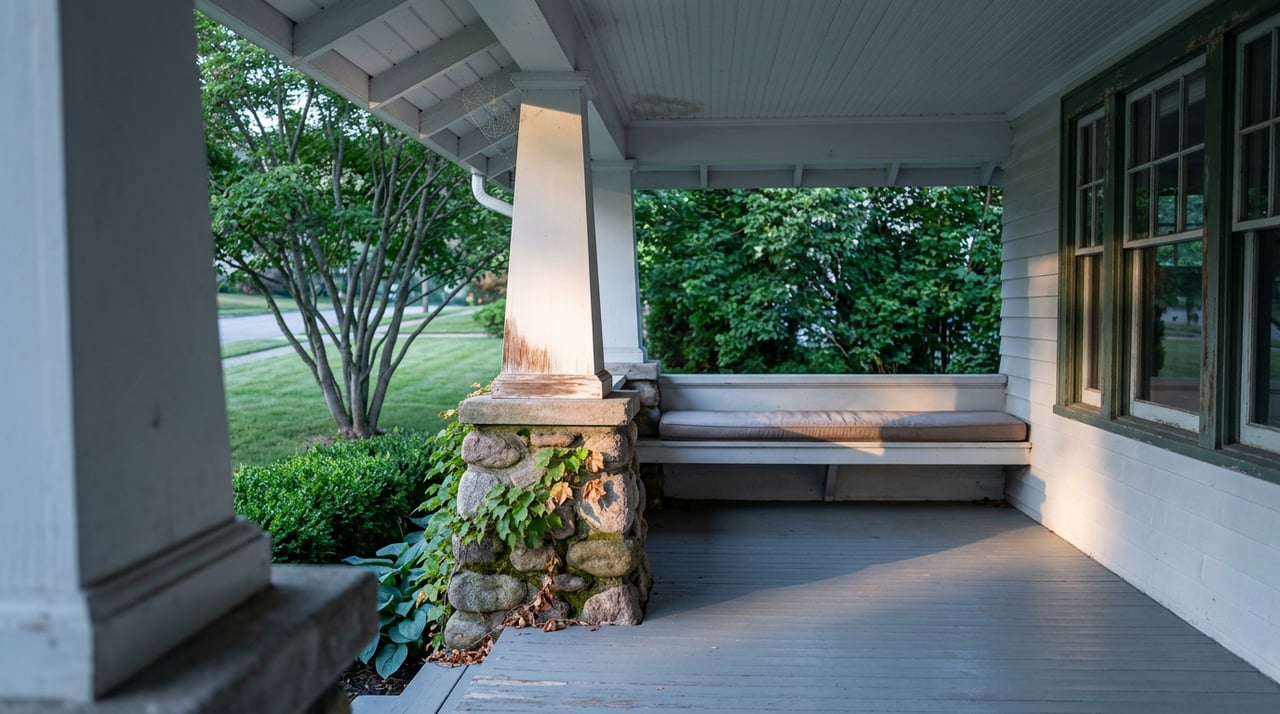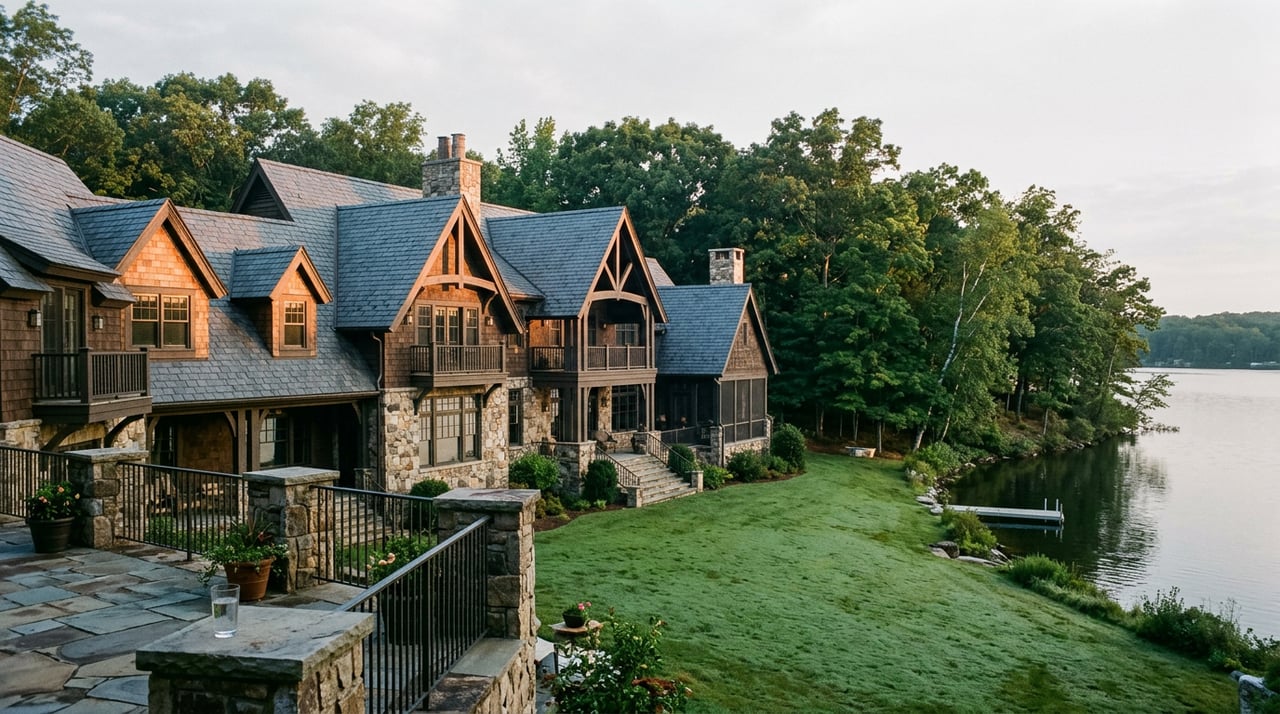
Steve and Sunhi Schussler bought their home on Lake Minnetonka Beach with fee title to a strip of shoreline the city called a fire lane. It had been platted that way since 1889, and a city-owned dock had gone in on that same stretch every summer since before 1977. The Schusslers wanted their own dock instead. They tore out the existing one, applied for a variance, and got denied. They applied again the following year and got denied a second time, this time because they hadn't secured the city's consent for a dock that would have angled into the authorized use area the city dock already occupied.
They sued. In May 2020, a Hennepin County judge sided with the city and the Lake Minnetonka Conservation District, ruling that the riparian rights held by a public easement holder can outrank those of the fee owner when both parties share the same right. The Schusslers owned the land outright. That ownership did not settle who got to put a dock in front of it.
This is the case every Lake Minnetonka buyer should know before they fall for a listing that says "lakefront" or "lake access" or "deeded shoreline." Those words describe very different legal arrangements, and even the strongest one, owning the shoreline yourself, doesn't automatically hand you the use you're picturing. The permit process sits on top of the deed, not underneath it.
What Riparian Rights Actually Guarantee
Minnesota law draws the line at the Ordinary High Water Level, a fixed elevation of 929.4 feet for Lake Minnetonka. Land use rules govern everything above that mark. Water rules govern everything below it. Owning riparian land gives you the right to wharf out toward navigable water, but state case law has also made clear that riparian owners have to exercise that right reasonably, without shutting out the shared use of the lake surface by others. A landowner's rights and a public easement holder's rights over the same stretch of shoreline aren't automatically ranked in the landowner's favor. The Schussler case is the clearest recent proof: fee title and dock rights can be two separate questions with two separate answers.
Layered on top of that state framework is the Lake Minnetonka Conservation District, a body that coordinates dock and mooring rules across more than a dozen cities that touch the lake's shoreline. The LMCD doesn't care whose name is on the deed. It cares whether a proposed dock sits inside an authorized Dock Use Area, a zone defined by setbacks from your extended property lines and how far a structure can reach into the water. You can own three hundred feet of frontage and still need the LMCD's sign-off before you put anything permanent in the water in front of it.
The Three Things "On the Lake" Can Mean
Listings around Lake Minnetonka tend to use "waterfront," "lakefront," and "lake access" as if they're interchangeable marketing words. On the ground, they describe at least three distinct bundles of rights, and the price gap between them reflects that.
True lakefront means your property line meets the water directly. You hold riparian rights and can apply for your own dock under LMCD rules, though as the Schusslers learned, applying and receiving aren't the same step. This is the tier that commands the steepest premiums, especially on the lake's more prestigious bays.
Deeded or shared access means you don't own frontage yourself, but an association or subdivision does, and that ownership carries dock or slip rights down to you. The privileges here live entirely in the recorded plat and HOA documents, not in your own name on the deed, and those documents vary widely in what they actually promise.
Lakeshore-adjacent or lake-view properties sit near the water, sometimes close enough to see it, without any private frontage or dock right attached. Buyers here are paying for proximity and outlook, not for anything the LMCD would ever regulate on their behalf.
Confusing these three tiers is the single most common and most expensive mistake buyers make on this lake, and it's an easy mistake to make when a listing photo shows the same blue water regardless of which category the parcel falls into.
The Rule That Surprises Almost Everyone
Even once you've confirmed true riparian frontage, the LMCD's own code of ordinances places real limits on what you can build. Docks, decks, and platforms generally can't exceed 8 feet in one dimension, and can't exceed 8 feet in both dimensions at once, so an 8-by-10 structure is fine while a 9-by-9 structure is not. Homes with 226 feet or more of shoreline along the 929.4-foot OHW line can qualify to store five or more watercraft, a threshold that quietly separates modest lakefront lots from the handful of parcels wide enough to support a real boat collection. Permits have been required for nonconforming docks and moorings since May 1978, which means a dock a seller describes as "always been there" may still need documentation you should ask to see before you rely on it.
None of this shows up in an MLS photo. It shows up in the LMCD's own dock and permit records, which any serious buyer should be reviewing alongside the standard inspection before writing an offer.
Why a Tight Market Makes This Riskier, Not Safer
As of spring 2026, there were 218 active waterfront listings across the full lake, with an average asking price near $2.84 million and roughly $545 per square foot. Months of supply sat at 3.8, well under the 5 to 6 month mark that defines a balanced market, and sellers were receiving close to 95.5 percent of asking price. Median sales prices were running nearly 14 percent higher over the trailing twelve months than the year before.
Numbers like that describe a market where hesitation costs you the house. That's exactly the environment where buyers skip the parts of due diligence that take time: pulling the recorded easement language, checking whether a dock has a current LMCD permit or is still operating under a decades-old variance, confirming whether the seller's "dock rights" are appurtenant to the lot or held personally and non-transferable. Scarcity pushes people toward speed. Speed is what turns a legal question about shoreline rights into a surprise you discover the first summer you try to put your own dock in the water.
More than 5,000 lakeshore parcels sit across the lake's 42 bays, and the lake's 125 miles of shoreline were claimed generations ago. Most owners never sell, which is part of why the properties that do come to market draw fast, competitive attention. That scarcity is real. It's also exactly why the tier you're buying into deserves more scrutiny than the moment allows, not less.
Before You Write an Offer, Pull These
- The recorded deed or easement language describing exactly what access rights transfer with the property
- Any LMCD permit, license, or variance history tied to the specific dock or Dock Use Area
- The plat map, to see whether a municipal, HOA, or third-party easement crosses the shoreline you think you're buying exclusively
- The city's own dock program status for that address, since cities like Minnetonka Beach run programs independent of individual owners
- Water depth at the dock during normal lake levels, since levels shift seasonally and the DNR's water law guidance explains how those boundaries move
A Few Questions Worth Asking Directly
Does owning lakeshore guarantee I can put in a dock? No. Ownership gives you standing to apply through the LMCD. Approval depends on lot width, the Dock Use Area assigned to your parcel, and whether any competing easement, like a fire lane or HOA right, already occupies that stretch of shoreline.
What's the real difference between deeded access and true lakefront? True lakefront means the property line itself meets the water and the owner holds riparian rights directly. Deeded access means those rights belong to an association or subdivision, and what you actually get depends entirely on how the recorded documents describe it, not on how the listing describes it.
Lake Minnetonka rewards buyers who read the fine print before they read the view. If you're comparing what a specific address on this lake actually promises against what the listing implies, Josh Zuehlke & Co has spent years walking these bays, pulling these records, and helping buyers understand exactly which tier of access they're paying for before they commit. Reach out through our contact page or browse current Lake Minnetonka listings to start with a clearer picture of what you'd actually own.